
Table of Contents
- What Professional Home Cleaning Actually Includes
- Deep Cleaning vs Standard Cleaning: Key Differences
- Tasks Excluded From Professional Cleaning Services
- How to Prepare for House Cleaners: A Practical Guide
- Standard House Cleaning Checklist for Your First Visit
- What to Expect on Your First Professional Cleaning Visit
- Scheduling Frequency and Long-Term Service Plans
- Frequently Asked Questions
Last Updated: September 3, 2026
What Professional Home Cleaning Actually Includes
Professional home cleaning services go far beyond what most people accomplish with a vacuum and spray bottle. When hiring professionals, understanding what’s typically included in a standard cleaning visit sets realistic expectations and ensures the service matches the client’s needs.
A standard house cleaning typically encompasses routine maintenance tasks performed on a regular schedule, weekly, bi-weekly, or monthly. This includes vacuuming carpeted areas, sweeping hard floors, mopping tile and linoleum surfaces, dusting furniture and shelving, wiping down kitchen countertops, cleaning bathroom fixtures like sinks and toilets, and emptying trash cans. The goal is to maintain a clean, hygienic living environment by addressing the most visible and high-traffic areas of the home.
Most professional cleaning teams arrive with their own equipment and supplies, including commercial-grade vacuums with HEPA filters that capture allergens more effectively than standard household models (the EPA). They use microfiber cloths for dusting, which trap dust particles rather than simply redistributing them. The team typically works room by room, following a systematic approach to ensure nothing is missed. A standard visit for an average-sized home usually takes two to three hours, though timing varies based on home size and current condition.
North Shore Maids provides this standard maintenance cleaning across Essex County, tailoring the scope to each client’s specific layout and priorities. The team’s approach focuses on high-touch surfaces and visible areas that accumulate dust, dirt, and grime most rapidly. Clients can customize their service to emphasize particular rooms or tasks, for instance, prioritizing kitchen and bathroom cleaning while giving less attention to bedrooms.
Deep Cleaning vs Standard Cleaning: Key Differences
The distinction between standard cleaning and deep cleaning is fundamental to choosing the right service. Standard cleaning maintains cleanliness between deep cleans, addressing visible dirt and routine maintenance. Deep cleaning, by contrast, tackles areas that don’t receive regular attention and requires significantly more time and labor.
Deep cleaning involves moving furniture to clean underneath, scrubbing baseboards and trim, cleaning inside appliances, washing windows inside and out, sanitizing light fixtures and ceiling fans, and addressing areas like inside cabinet interiors and under sinks. These tasks require specialized equipment and products designed to cut through built-up grime, soap scum, and hard-water deposits. Deep cleaning typically takes four to eight hours or more, depending on home size and how long it’s been since the last professional deep clean (bls.gov).
The timing and frequency differ substantially. Standard cleaning happens regularly, weekly or bi-weekly, to prevent dirt accumulation. Deep cleaning occurs less frequently, perhaps quarterly, semi-annually, or annually. Many households use standard cleaning as their primary service and schedule deep cleaning seasonally or when preparing a home for sale, hosting major events, or after extended periods without professional help.
Cost and resource allocation also differ. Standard cleaning focuses on efficiency and regular maintenance, while deep cleaning justifies higher rates because it demands more time, specialized products, and sometimes additional staff. A move-in or move-out deep cleaning represents an intensive, one-time investment to ensure a space is thoroughly sanitized and ready for new occupants.
North Shore Maids offers both service tiers, allowing clients to establish a baseline standard cleaning schedule and add deep cleaning services as needed. This flexibility helps busy professionals maintain their homes without committing to expensive deep cleans every visit.
Tasks Excluded From Professional Cleaning Services
Knowing what professional cleaners don’t typically include protects clients from miscommunication and unmet expectations. Most standard cleaning services explicitly exclude tasks that fall outside routine maintenance or require specialized expertise.
Laundry and ironing are almost universally excluded from standard cleaning packages. These tasks are time-intensive and often require clients to provide specific instructions about fabric care, temperature settings, and folding preferences. Similarly, organizing and decluttering, moving items, sorting belongings, or arranging furniture, are not part of standard cleaning. These tasks require decision-making that only the homeowner can make effectively.
Pet care, including bathing pets or cleaning pet bedding, remains outside the scope. Yard work, lawn maintenance, and exterior cleaning are also excluded, as are tasks requiring specialized certifications or tools. Repairing broken fixtures, painting, or addressing structural damage falls to contractors, not cleaners. Interior window washing is sometimes excluded from standard cleaning because it requires ladders and specialized techniques; exterior windows almost always require separate service.
Oven cleaning, refrigerator interior cleaning, and deep cleaning inside cabinets are frequently offered as add-on services rather than included in standard packages. These tasks demand extra time and sometimes specialized degreasers. Clients should clarify with their service provider which tasks are included in their chosen package and which require additional fees.
Understanding these boundaries helps clients plan their home maintenance strategy. Tasks excluded from professional cleaning can be handled through specialized services, scheduled separately, or managed by the homeowner on an extended timeline.
How to Prepare for House Cleaners: A Practical Guide
Preparing the home before cleaners arrive maximizes their efficiency and ensures they can focus on cleaning rather than moving items around. The primary preparation task involves decluttering, removing personal items, toys, papers, and miscellaneous objects from surfaces, floors, and furniture.
Start by clearing kitchen countertops, moving appliances, utensil holders, and decorative items into cabinets or designated storage areas. In bathrooms, remove personal care products, towels, and bath toys from counters and shower areas. Bedrooms should have nightstands cleared of books, glasses, and phone chargers. Living areas benefit from removing throw pillows from couches, stacking books and magazines, and putting away remote controls and gaming controllers.
Floor clearing is equally important. Picking up clothing, shoes, toys, and clutter from bedroom and living room floors allows cleaners to vacuum and mop without interruption. Closet doors should be closed to prevent the team from feeling obligated to organize interior spaces. Bathroom floors need to be clear of bath mats, towels, and personal items so cleaners can reach all surfaces.
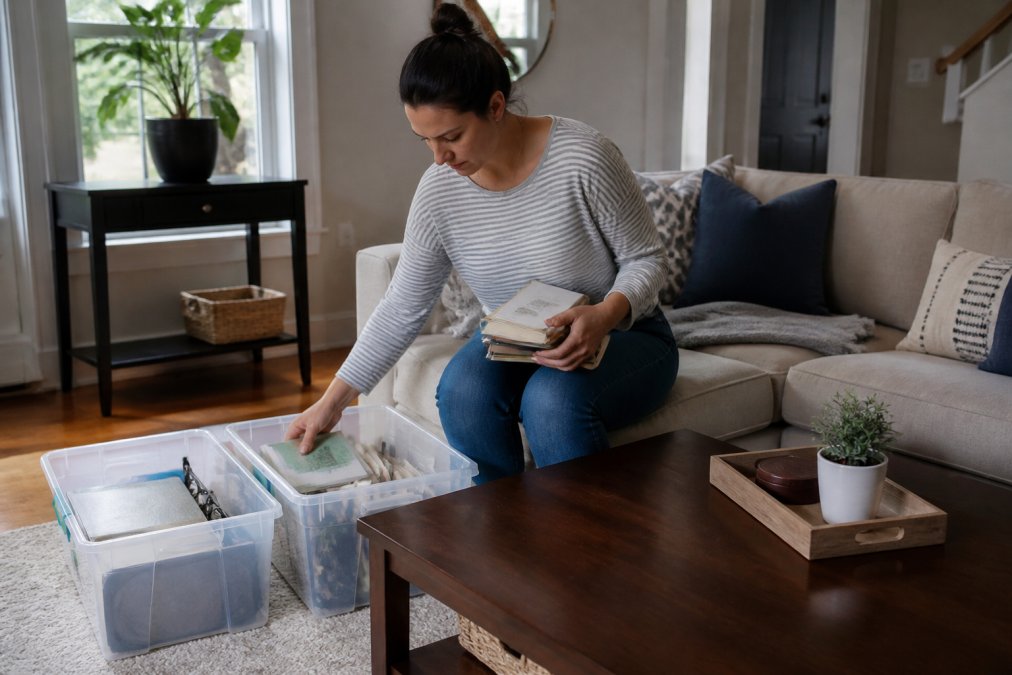
Securing valuables and important documents protects privacy and prevents accidental damage. Store jewelry, cash, important paperwork, and sentimental items in a locked drawer or room. This practice also provides peace of mind and is standard practice for bonded and insured cleaning services.
Communicating access details beforehand prevents delays. Providing gate codes, alarm system information, or parking instructions ensures the team arrives efficiently. If the home has pets, discussing pet safety with the cleaning service is essential. Some teams prefer pets to be secured in a separate room during cleaning to prevent distraction and ensure animal safety around cleaning products and equipment.
Identifying specific cleaning priorities helps the team allocate time effectively. If certain rooms require more attention or specific tasks need emphasis, communicating these preferences ensures the visit addresses what matters most to the client.
Standard House Cleaning Checklist for Your First Visit
The first professional cleaning visit establishes the baseline for future service. Knowing what to expect helps clients evaluate whether the service meets their standards and adjust future visits accordingly.
A typical first visit includes these core tasks:
- Kitchen cleaning, Wiping countertops, backsplash, and cabinet fronts; cleaning sink and faucet; wiping appliance exteriors; sweeping and mopping floors
- Bathroom cleaning, Scrubbing toilet, sink, and shower/tub; wiping mirrors and fixtures; mopping floors; cleaning baseboards
- Living areas, Vacuuming carpets and rugs; dusting furniture, shelves, and decorative items; wiping light switches and door handles; mopping hard floors
- Bedrooms, Vacuuming carpets; dusting surfaces; wiping light switches; mopping hard floors
- Entryways, Sweeping and mopping entry areas; wiping down door frames
- Trash removal, Emptying all trash cans and replacing liners
High-touch surfaces receive particular attention during the first visit. Light switches, door handles, remote controls, and phone chargers get sanitized. These surfaces accumulate germs and oils from regular use and represent areas where cross-contamination spreads most readily (the CDC).
The first visit often takes longer than subsequent visits because the home may require more intensive attention. Professional teams assess the home’s condition and adjust their approach accordingly. If the home hasn’t been professionally cleaned recently, the initial visit might focus on achieving a baseline clean rather than completing every possible task within a standard timeframe.
Clients should walk through the home with the cleaning team at the end of the visit to confirm satisfaction. This conversation establishes expectations for future visits and allows for immediate feedback about specific areas needing adjustment.
What to Expect on Your First Professional Cleaning Visit
The day of the first cleaning visit involves specific timing, communication, and workflow considerations. Understanding the process reduces anxiety and ensures a smooth experience.
Professional cleaning teams typically confirm appointments 24 hours in advance through phone, text, or email. They provide a specific time window, usually two to four hours, for arrival. Most teams arrive punctually; reliability is a cornerstone of professional service. The team typically consists of two to three cleaners working together, which allows them to complete the work efficiently while maintaining quality standards.
Upon arrival, the team conducts a brief walk-through with the homeowner to confirm priorities, discuss any special requests, and identify areas needing particular attention. They ask about pet locations, alarm systems, and any off-limits areas. This conversation typically takes five to ten minutes and sets the tone for the entire visit.
The team then begins systematic cleaning, starting with one area and progressing through the home. They bring their own equipment, supplies, and trash bags, so the homeowner doesn’t need to provide anything. Most professional teams use commercial-grade cleaning products designed for efficiency, though clients can request green cleaning products or specify allergies and sensitivities.
During the visit, the homeowner can remain home or leave, both options work well. Some clients prefer to be present to observe the process and answer questions; others prefer to run errands while the team works. The team respects the home and privacy, locking doors and securing the space when leaving.
At the end of the visit, the team conducts a final walk-through with the homeowner. This moment allows for quality assurance feedback. If any areas don’t meet expectations, the team can address them immediately. This first visit establishes the standard for future appointments and provides an opportunity to adjust the service plan if needed.
Scheduling Frequency and Long-Term Service Plans
Determining the right cleaning frequency depends on household size, lifestyle, work schedules, and personal preferences. Most busy professionals benefit from regular service rather than sporadic deep cleans.
Weekly cleaning maintains the home at a consistently high standard, preventing dirt and clutter accumulation. This frequency works well for households with children, pets, or high foot traffic. Weekly service requires less intensive effort per visit because the home stays relatively clean between appointments.
Bi-weekly cleaning represents a middle ground, balancing cost with cleanliness. Many professionals find this frequency provides adequate maintenance without excessive spending. The home stays reasonably clean, though visible dust and floor grime may accumulate slightly more than with weekly service.
Monthly cleaning suits smaller households, single professionals, or those with minimal foot traffic. This frequency works for people who don’t cook frequently or generate substantial household mess. However, monthly service may feel insufficient for households with children or pets.
Seasonal deep cleaning complements regular maintenance. Adding a quarterly or semi-annual deep clean addresses areas that standard cleaning doesn’t cover, maintaining the home’s long-term condition. Many clients establish a baseline weekly or bi-weekly standard service and supplement with deep cleaning as needed.
Service flexibility matters significantly. Life circumstances change, work schedules shift, family situations evolve, seasonal factors affect cleaning needs. North Shore Maids offers flexible scheduling that adjusts to changing circumstances, allowing clients to pause service during vacations, increase frequency before special events, or modify their plan as needs evolve.
Long-term service plans provide consistency and often include benefits like priority scheduling and satisfaction guarantees. Regular clients develop rapport with their cleaning team, allowing for better communication about preferences and ensuring the service continuously meets expectations.
Maintaining a clean home while juggling demanding work schedules and family responsibilities creates stress that professional cleaning services eliminate. Understanding what professional home cleaning includes, how to prepare for service visits, and what to expect from your cleaning team transforms the experience from uncertain to straightforward. North Shore Maids brings nearly two decades of experience delivering reliable, high-quality cleaning services across Essex County, with bonded and insured teams trained to handle homes of all sizes and configurations. With flexible scheduling options, weekly, bi-weekly, monthly, or seasonal plans, and a commitment to satisfaction-guaranteed service, professional cleaning becomes an accessible investment in peace of mind and a well-maintained home. Request a free estimate to discover how professional home cleaning can reclaim your personal time and transform your living space.
Frequently Asked Questions
Q: What does professional home cleaning typically include?
A: Professional home cleaning covers vacuuming, mopping, dusting surfaces and fixtures, cleaning bathrooms, kitchens, and wiping down high-touch surfaces. Most services include sanitizing and disinfecting common areas. The exact scope depends on whether you choose standard maintenance cleaning or a deeper clean. Many providers offer customization options, so you can request specific tasks like baseboards or inside appliances be added to your service agreement.
Q: How should I prepare my home for house cleaners?
A: Before your cleaners arrive, declutter surfaces by moving personal items, toys, and papers to designated areas. This prevents cross-contamination of your belongings and allows the team to access all cleaning zones efficiently. Secure pets in a safe room, ensure access to water and electrical outlets, and provide clear instructions about any restricted areas. A brief walk-through on your initial visit helps the team understand your priorities and any special considerations for your home.
Q: What’s the difference between standard cleaning and deep cleaning?
A: Standard cleaning focuses on regular maintenance: vacuuming, mopping, dusting, and sanitizing high-touch surfaces. Deep cleaning goes further, including inside cabinets, baseboards, under furniture, inside appliances, and detailed attention to areas that accumulate dust and grime over time. Deep cleans typically take longer and cost more but are ideal for move-in situations, seasonal refreshes, or when your home needs intensive attention beyond routine upkeep.
Q: What tasks are typically excluded from professional cleaning services?
A: Most cleaning services exclude interior window washing, carpet shampooing, pressure washing exterior surfaces, organizing or decluttering, and repairs. Tasks requiring specialized equipment like window cleaning or carpet extraction are often offered as add-ons. Always confirm what’s excluded in your service agreement, as some providers offer customized packages. If you need specific tasks handled, ask about them when scheduling or requesting a quote.
Q: How often should I schedule professional cleaning service?
A: Scheduling frequency depends on your household size, lifestyle, and budget. Busy families often benefit from weekly or bi-weekly service to maintain a consistently clean home. Monthly service works for smaller households or those with lighter foot traffic. Some clients use seasonal deep cleans supplemented by occasional maintenance visits. Discuss your routine and priorities with your cleaning provider to find a schedule that keeps your home maintained without breaking your budget.
Q: Are professional cleaners bonded and insured?
A: Reputable cleaning companies are bonded and insured to protect both you and their employees. This coverage ensures liability protection if damage occurs and provides recourse if something goes wrong. Always verify bonding and insurance status before hiring, it’s a sign the company operates professionally and stands behind their work. Ask for proof during your initial consultation or when requesting a quote, and confirm coverage details in your service agreement.
This article was written using GrandRanker