
Table of Contents
- Step 1: Review Your Lease and Understand the Rules
- Step 2: Prepare Your Move-Out Cleaning Checklist for Security Deposit Protection
- Step 3: Document the Move-Out Inspection and Gather Proof
- Step 4: Normal Wear and Tear vs Damage Examples (Know the Difference)
- Step 5: How Long Does a Landlord Have to Return a Security Deposit?
- Step 6: Send a Security Deposit Demand Letter Template
- Step 7: What to Do If Your Landlord Withholds the Deposit
- Frequently Asked Questions
Last Updated: September 16, 2026
Step 1: Review Your Lease and Understand the Rules
Your security deposit’s return is governed by your lease and state law, not goodwill. Before cleaning, read the lease for the deposit amount, return conditions, non-refundable fees, and the required move-out inspection procedure.
Most leases specify whether a cleaning fee is deducted automatically or only if the unit fails inspection.
Photograph the lease’s deposit clause and the move-in checklist the day you decide to move out. If a dispute arises months later, you will not want to dig through a filing cabinet or an old email thread.
Step 2: Prepare Your Move-Out Cleaning Checklist for Security Deposit Protection
A move out cleaning checklist for security deposit protection is a documented, room-by-room plan that leaves the unit “as clean as move-in, minus normal wear.” The goal isn’t a spotless showroom, it’s removing every excuse for a deduction.
Room-by-Room Cleaning Tasks That Landlords Check
- Kitchen: Degrease the stovetop and hood filter, wipe cabinet fronts, clean inside the oven and refrigerator, and clear the sink and disposal.
- Bathrooms: Remove soap scum and hard water spots, scrub grout, clean the toilet base and behind the bowl, and wash the exhaust fan cover.
- Bedrooms and living areas: Vacuum or mop under furniture, wipe baseboards and window sills, clean light fixtures, and remove wall scuffs where paint allows.
- Entryways and hallways: Sweep and mop floors, wipe switch plates and door frames, and clear cobwebs from corners and ceilings.
Skipping the oven interior and the refrigerator is one of the most common causes of deductions. Those two appliances alone account for a large share of cleaning charges, and they are the easiest to verify in a walkthrough.
Step 3: Document the Move-Out Inspection and Gather Proof
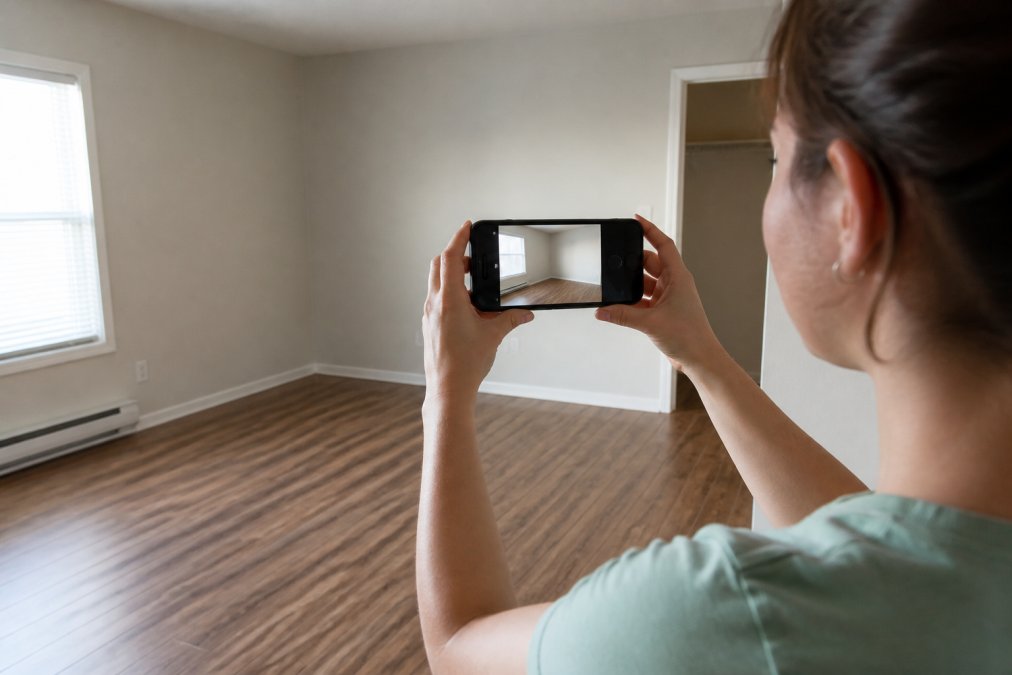
Documentation turns a verbal promise into evidence. A move-out inspection lets you walk the unit with the landlord and agree on its condition before handing over the keys, and it’s a legal event in many states.
Your Right to Be Present at the Inspection
Many state statutes follow a two-part rule: the landlord must notify you of the inspection in writing, and you have the right to attend. Notice windows vary, and a few states require a written itemized list of proposed deductions before the inspection, so you can fix or dispute issues on the spot.
How to Run the Walkthrough
Schedule the walkthrough in writing, email creates a timestamp. Attend in person if possible, bring your move-in checklist, take notes, and ask the landlord to sign a short written summary of agreed conditions. If they decline, note that in your follow-up email.
Photographic Evidence and Digital Evidence Management
Photographic evidence wins disputes only if it’s organized and timestamped, a labeled folder beats a messy camera roll of 200 unsorted photos.
Email yourself the photo folder the same day you move out. The email server’s timestamp is independent of your phone and is much harder for a landlord to challenge than a file’s internal metadata.
Building a Deduction-Proof Evidence Packet
Organize evidence the way a judge or mediator will read it: chronological, labeled, and short. Include:
- The signed lease and any move-in condition report or checklist
- Dated move-in photos, if you have them
- Dated move-out photos and video, labeled by room
- The written inspection notice and your attendance notes
- Receipts for any cleaning or repairs you paid for
- Copies of every email or letter exchanged with the landlord
- Proof you provided a forwarding address in writing
Step 4: Normal Wear and Tear vs Damage Examples (Know the Difference)
Normal wear and tear is deterioration from ordinary use over time; damage is harm from neglect, misuse, or an accident. Landlords may deduct for damage but generally cannot charge for normal wear and tear.
| Item | Normal Wear and Tear | Damage |
|---|---|---|
| Paint | Faded or slightly scuffed | Holes, gouges, crayon marks |
| Carpet | Worn traffic paths | Burns, pet stains, tears |
| Walls | Minor nail holes | Large holes, unrepaired anchors |
| Fixtures | Loose handles, dull finish | Broken or missing parts |
| Floors | Light surface scratches | Deep gouges, water warping |
The single most useful question in any deposit dispute is: “Would this have happened from ordinary living, or from something beyond that?” If ordinary living caused it, it is wear and tear.
Step 5: How Long Does a Landlord Have to Return a Security Deposit?
It depends on your state. How long a landlord has to return a security deposit is set by statute, typically 14 to 60 days after you move out and provide a forwarding address.
Step 6: Send a Security Deposit Demand Letter Template
A security deposit demand letter template is a formal written request for your deposit, sent by mail with proof of delivery. Send it as soon as the statutory deadline passes without a full refund.
Negotiation Scripts for Common Landlord Responses
When the landlord calls to dispute a deduction, stay calm and ask for documentation rather than arguing.
- “The carpet needs replacing.” “I understand. Can you send the itemized statement showing the carpet’s age and the deduction amount? Wear from normal use over the tenancy generally isn’t chargeable.”
- “There was a cleaning fee in the lease.” “I see that clause. Can you confirm whether the fee applies only if the unit fails inspection, and share the inspection notes?”
- “I’m keeping part of it for repairs.” “Could you send the receipts for the repairs and the itemized breakdown? I’d like to review them before we finalize.”
Step 7: What to Do If Your Landlord Withholds the Deposit
If your landlord withholds the deposit without a valid, documented reason, escalate in writing before considering legal action. Send a formal demand, wait the period you stated, then pursue mediation or small claims court.
What Counts as a Valid Deduction
A deduction is valid only if the landlord can show three things: the item was damaged beyond normal wear and tear, the charge reflects actual cost or a reasonable estimate, and it’s documented with an itemized statement. Missing any one, and the deduction is vulnerable.
- In-house labor billed at retail rates. A landlord charging their own time at a contractor’s hourly rate is often challengeable unless the lease or state law authorizes it.
- Replacement instead of repair. Charging for new carpet when the damage could be patched, or new paint for a single scuffed wall, is a common overcharge. Many states require the landlord to account for the item’s age and useful life, you generally cannot be charged the full cost of replacing something already years old.
- No vendor, no date, no description. An invoice that says only “repairs, $250” is weak evidence if the case goes to a hearing.
- Charges for items on your move-in checklist. If the move-in report already noted the condition, the landlord cannot bill you for it now.
Dispute Response Letter Template
If the landlord sends an itemized statement you disagree with, respond in writing before the dispute hardens. Unlike the demand letter, this responds to specific deductions rather than requesting the full deposit.
Negotiation Scripts for Common Landlord Responses
When the landlord calls to dispute a deduction, stay calm and ask for documentation rather than arguing.
- “The carpet needs replacing.” “I understand. Can you send the itemized statement showing the carpet’s age and the deduction amount? Wear from normal use over the tenancy generally isn’t chargeable, and many states require the charge to reflect the carpet’s remaining useful life.”
- “There was a cleaning fee in the lease.” “I see that clause. Can you confirm whether the fee applies only if the unit fails inspection, and share the inspection notes?”
- “I’m keeping part of it for repairs.” “Could you send the receipts for the repairs and the itemized breakdown? I’d like to review them before we finalize.”
- “I don’t have receipts, but I did the work myself.” “I appreciate that. Under [state] law, deductions generally need to be documented. Can you provide an itemized statement with the hours and rate, or adjust the charge?”
Mediation and Small Claims Court
Mediation is lower-cost and faster, often resolving disputes without a hearing. Many courts offer free or low-cost mediation, and a mediated agreement can be enforced if the landlord doesn’t follow through.
Frequently Asked Questions
When should you get your security deposit back after moving out?
Most states require landlords to return your security deposit within a specific timeframe after you move out and provide a forwarding address. This is often 14 to 30 days, but it varies by state. Some states allow up to 60 days if there are deductions. Check your lease agreement and state rental laws for the exact statutory deadline. If your landlord misses this deadline, you may be entitled to the full deposit plus penalties.
Can a landlord charge for professional cleaning if the apartment is clean?
A landlord generally cannot charge for professional cleaning if you return the rental unit in the same condition as when you moved in, minus normal wear and tear. Many leases include a non-refundable cleaning fee, which is legal in some states but not others. If your lease does not specify a cleaning fee and you left the unit clean, a deduction for cleaning may be disputed. Always document the condition with photos and a move-out inspection.
What should I do if my landlord refuses to return my security deposit?
If your landlord refuses to return your security deposit, start by sending a written demand letter via certified mail. Include your move-out date, forwarding address, and proof of condition. If the landlord still does not respond within the statutory deadline, you can file a claim in small claims court. Many states allow you to recover up to double or triple the deposit amount if the withholding was wrongful. Mediation is another option before legal action.
Is a move-out inspection required to get my deposit back?
Not always required, but a move-out inspection strongly supports your case. Many states require landlords to offer a pre-move-out walkthrough so you can fix issues before vacating. If you attend, take notes and photos. If the landlord does not offer one, document the unit’s condition yourself. This proof of condition helps prevent unfair deductions and makes it harder for a landlord to claim damage you did not cause.